
Favola Umbra: At the Beating Heart of Italy
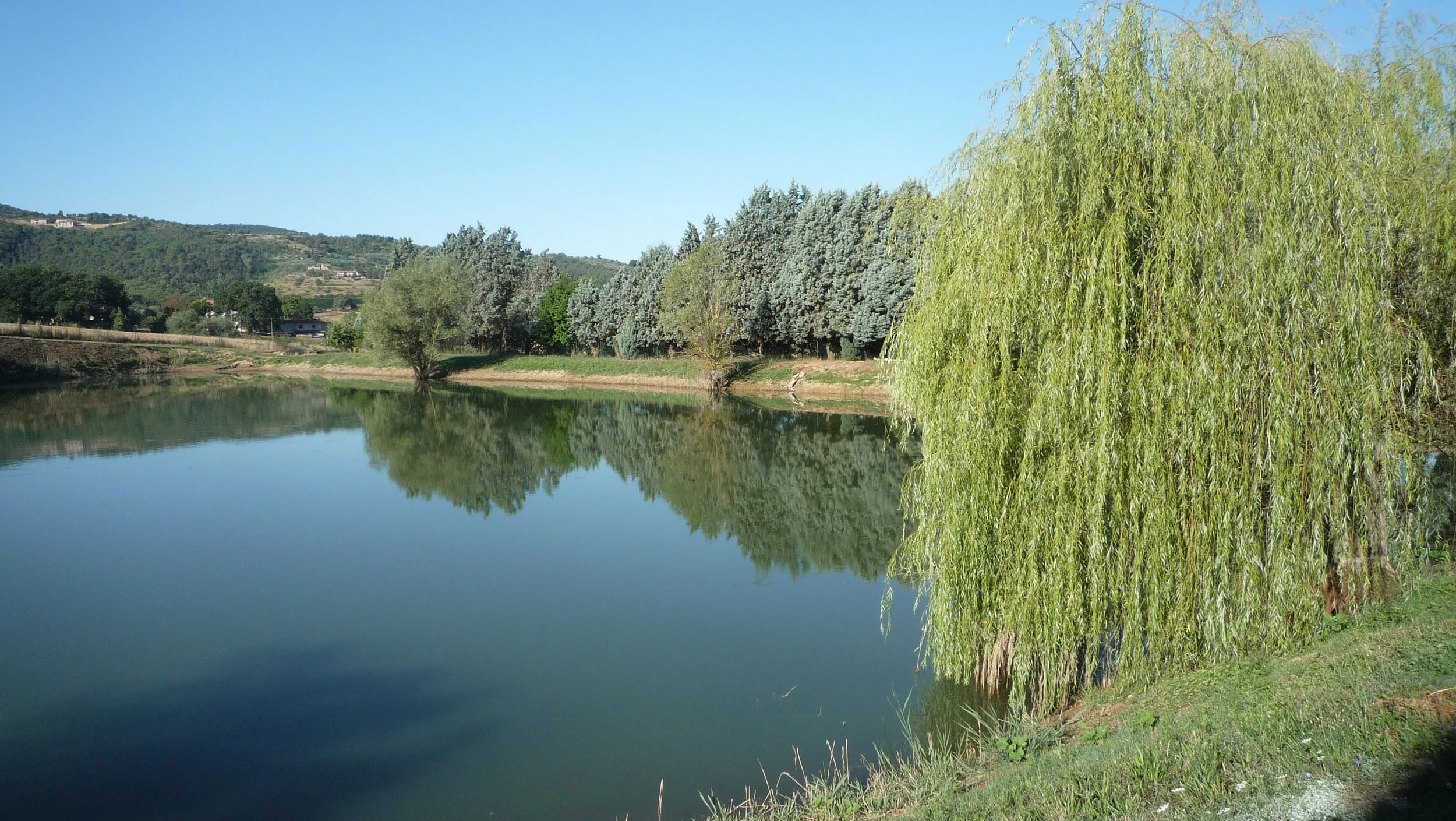
Favola Umbra is far more than a place to stay—it is a destination in itself, a story written into the landscape of Italy. Over the years, countless travelers have described it in their reviews as one of the most memorable discoveries of their Italian journey: a place where beauty, peace, authenticity, and location come together in perfect harmony. Nestled among the gentle hills of Umbria, Favola Umbra enjoys a truly extraordinary position. It lies at the very center of Italy, exactly halfway between Rome and Florence, and within easy reach of some of the country’s most prestigious historic towns. From here, guests can explore centuries of art, culture, and spirituality by day, and return each evening to silence, nature, and star-filled skies. Favola Umbra offers not only proximity to iconic destinations, but also something increasingly rare: space, calm, and a deep connection to the land. Rolling hills, golden light, ancient olive groves, and breathtaking views create an atmosphere where time slows down and Italy reveals its most authentic soul. For anyone visiting Italy, this is a place worth discovering—and remembering.
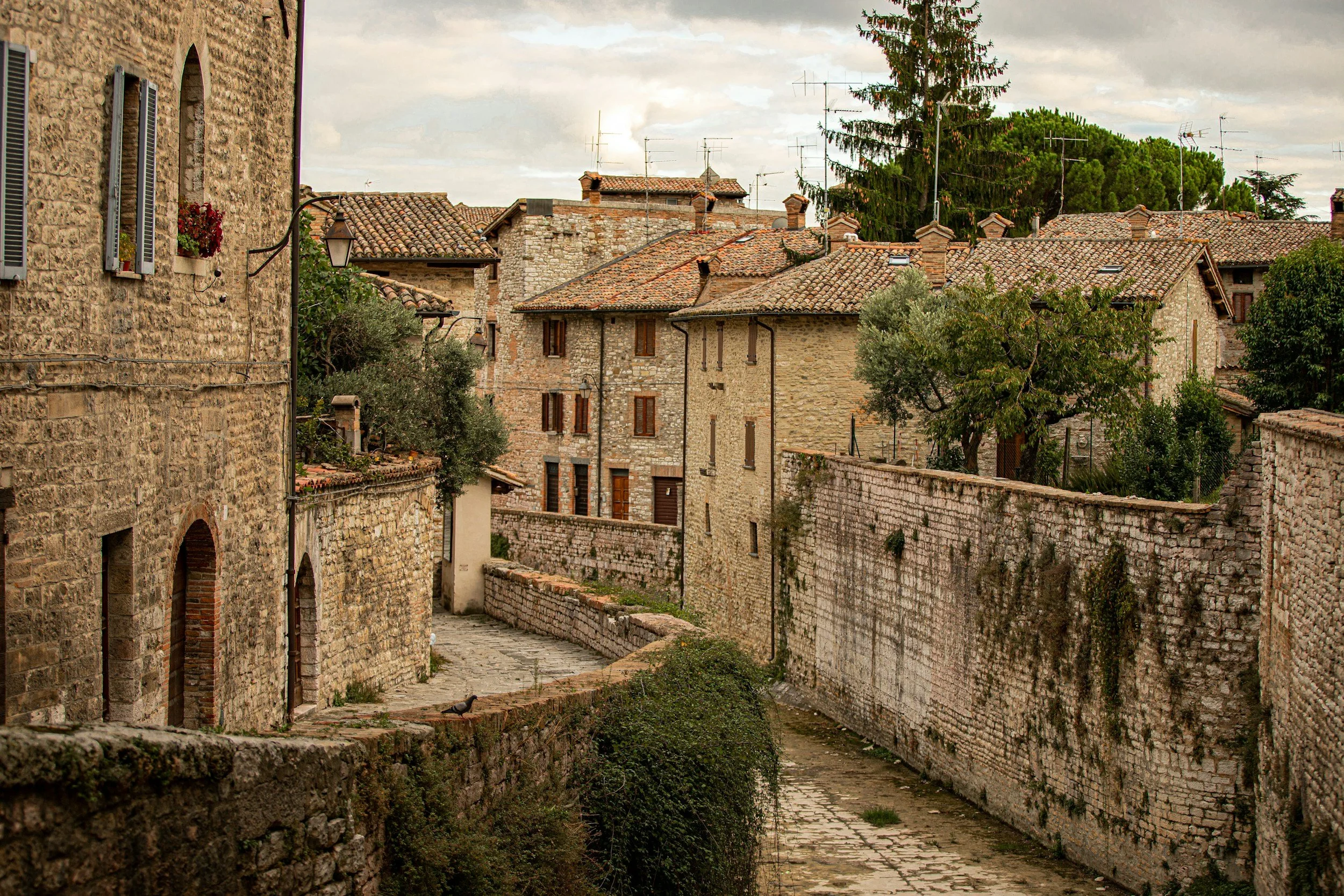
Destinations Around Favola Umbra
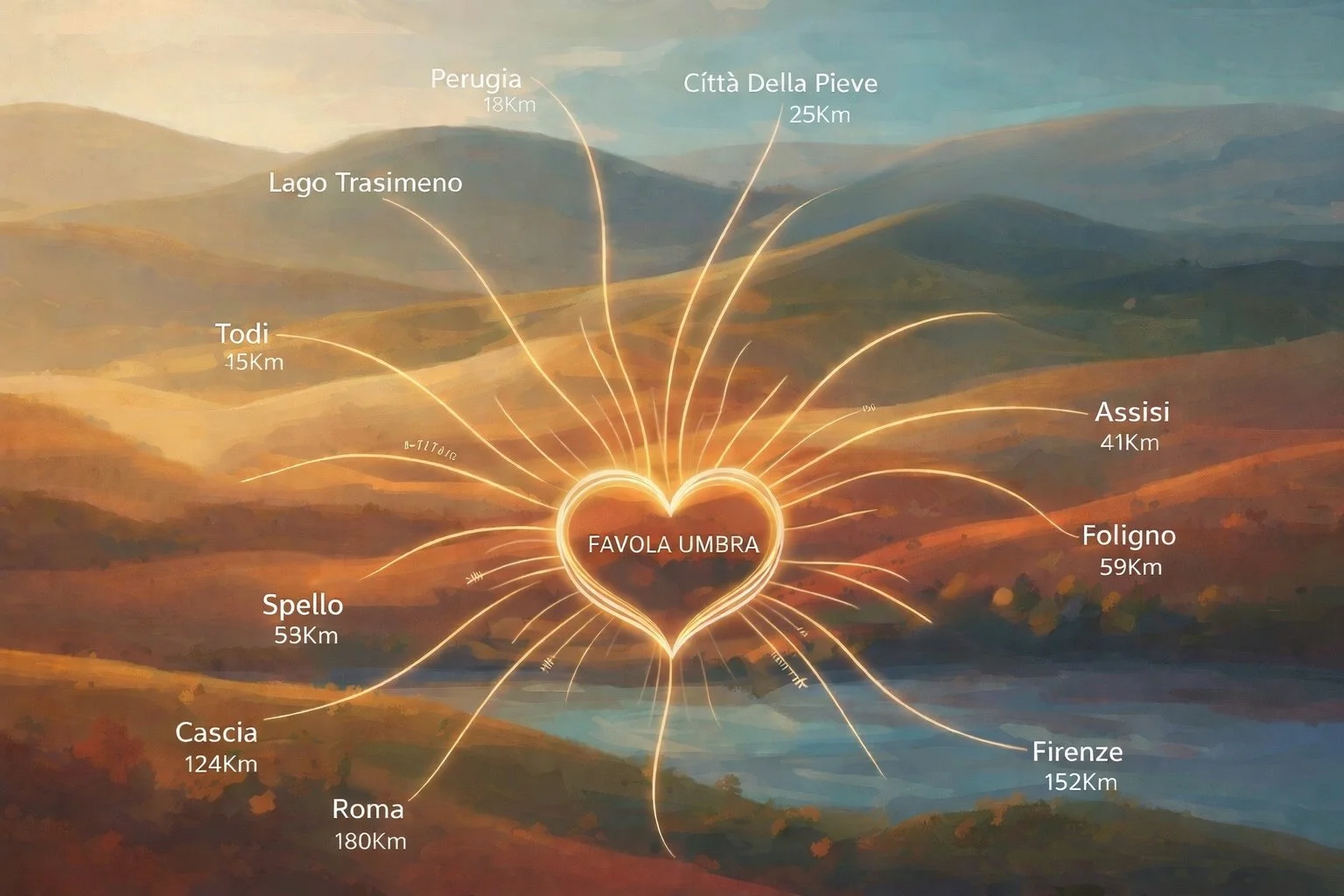
Lake Trasimeno (15 minutes)
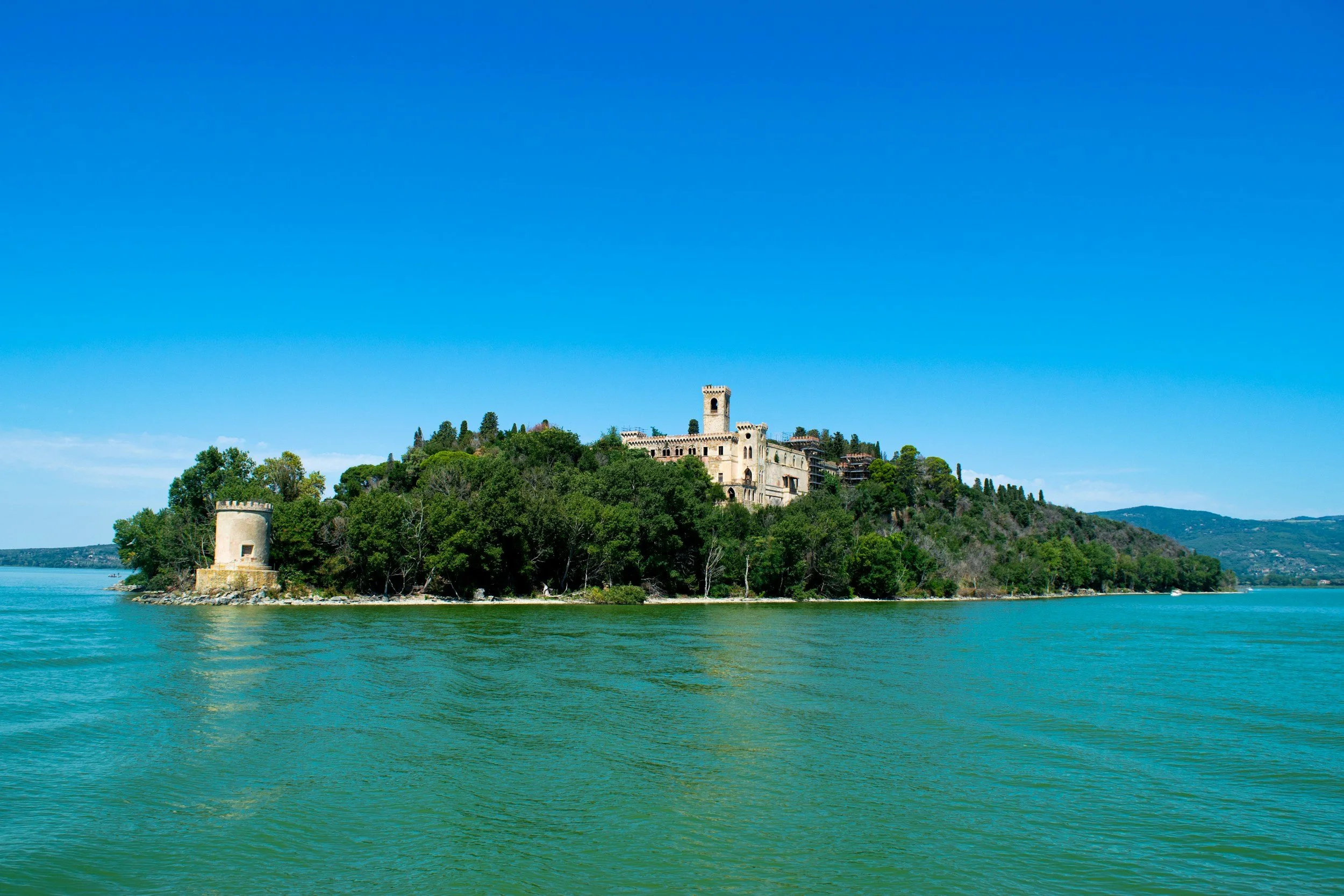
Just 15 minutes from Favola Umbra, Lake Trasimeno is so close that it feels like an extension of the surrounding landscape. One of the largest lakes in Italy, it lies at the heart of Umbria and is steeped in legend and history. The lake takes its name from Trasimeno, the mythical figure linked to its origins, and it is also famous for the historic Battle of Lake Trasimene, where Hannibal altered the fate of the Roman Empire. Today, Lake Trasimeno is a place of serenity and beauty: calm waters, glowing sunsets, charming lakeside villages, and small islands suspended in time. Boat rides, slow walks along the shore, and traditional local cuisine make it an essential experience for every guest staying at Favola Umbra.
Perugia (18 km)
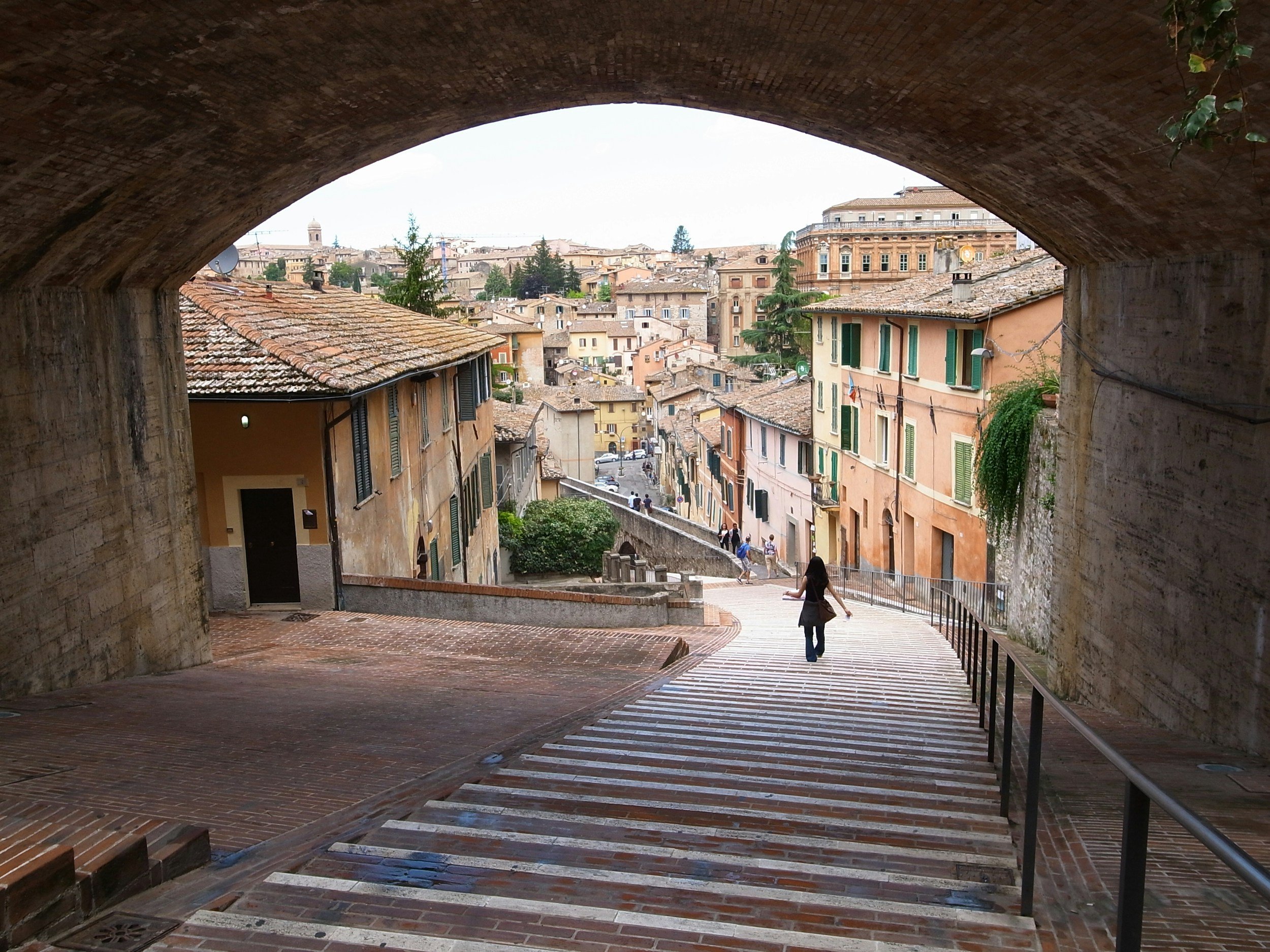
The refined capital of Umbria, Perugia is a city of Etruscan roots and medieval elegance. Its historic center, underground passages, and vibrant cultural life reflect centuries of history, while its international universities bring youthful energy and creativity.
Città della Pieve (25 km)
A warm-toned hill town of brick and silence, Città della Pieve is the birthplace of Renaissance master Pietro Perugino. Its narrow alleys, panoramic views, and intimate atmosphere offer a deeply authentic Umbrian experience.
Todi (15 km)
Often ranked among the most livable towns in the world, Todi rises proudly above the valley. Its harmonious architecture, grand piazzas, and ancient churches create a perfect balance between beauty, history, and tranquility.
Assisi (41 km)
One of the most spiritual places in the world, Assisi is the birthplace of Saint Francis. Its sacred basilicas, adorned with Giotto’s frescoes, and its peaceful stone streets make it a timeless destination of faith, art, and contemplation.
Foligno (59 km)
A historic crossroads of Umbria, Foligno blends Roman origins with Renaissance heritage. Lively and authentic, it offers excellent cuisine, vibrant local life, and easy access to the Umbrian valleys and mountains.
Spello (53 km)
Considered one of Italy’s most beautiful villages, Spello is famous for its flower-filled streets, Roman walls, and breathtaking views over the Umbrian plain. A living painting where art, nature, and tradition coexist.
Cascia (124 km)
Set among the Apennine Mountains, Cascia is a place of devotion and silence, known worldwide for Saint Rita. Its surrounding landscapes are wild, peaceful, and deeply evocative.
Rome (180 km)
The Eternal City, cradle of an ancient empire and an open-air museum. Rome is where history, art, and daily life intertwine—home to the Colosseum, the Vatican, and countless masterpieces that shaped Western civilization.
Florence (152 km)
The cradle of the Renaissance and the enchanted homeland of Botticelli’s Venus. Florence is a celebration of beauty and human genius, where art, architecture, and philosophy reached their highest expression.